

Preserve more road.
Rebuild less.
Science-backed asphalt rejuvenation that extends usable surface life, protects budgets, and keeps communities moving.
The Problem with Aged Asphalt
Oxidation, water and traffic cause asphalt to lose flexibility, crack and fail — leading to higher costs, disruption and frustrated communities.
Oxidation
Bitumen dries out and hardens over time.
Cracking
Brittle surfaces develop micro and macro cracks.
Water Damage
Water penetrates, weakens and accelerates failure.
Traffic Stress
More cracks and potholes increase maintenance.
Budget Pressure
Reactive spending leads to escalating costs.
The Renew a Road Difference
A solvent-based rejuvenator that penetrates and reconditions the existing bitumen.
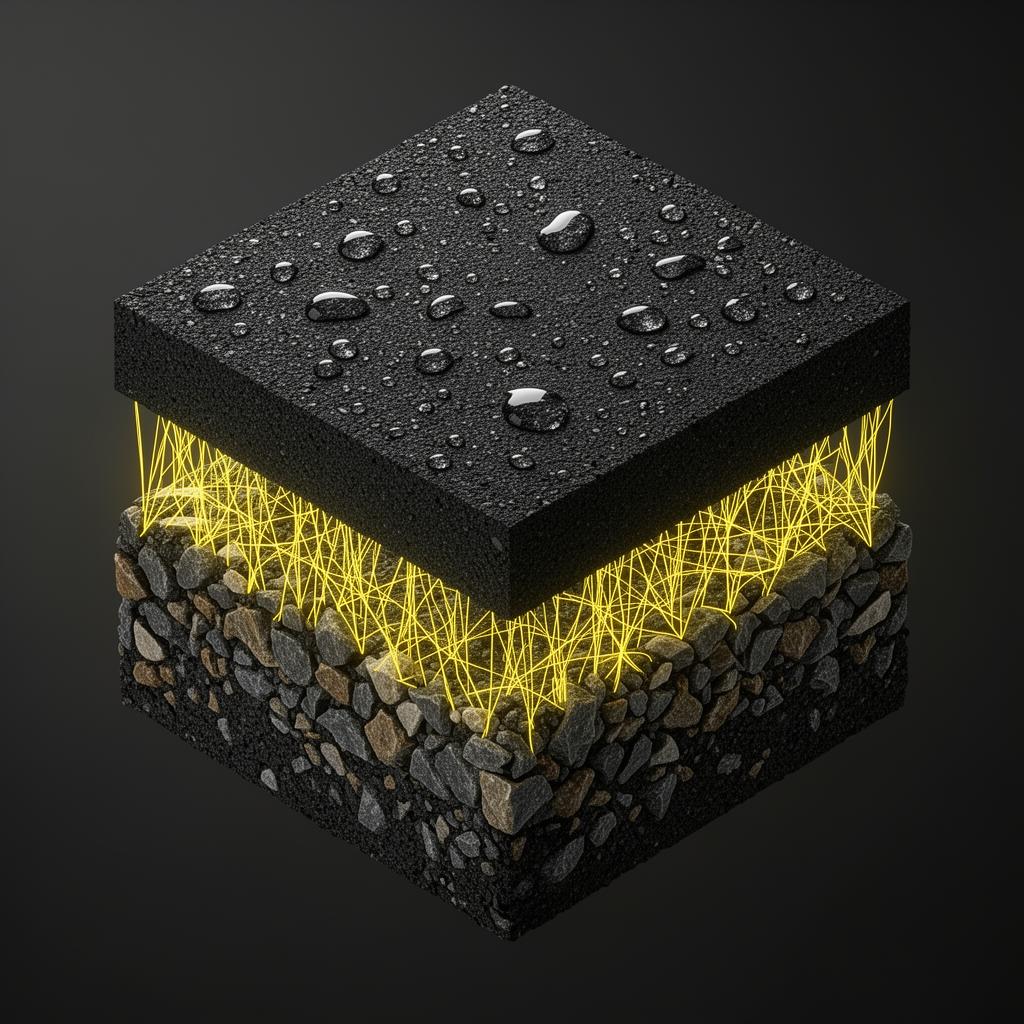
Penetrates
Seeps through microcracks and the surface layer.
Reconditions
Rebalances asphaltenes, maltenes and paraffins to restore flexibility and ductility.
Protects
Seals the surface, restores hydrophobic properties and retards further oxidation.
Hydrophobic surface
Water beads and runs off.
Seals microcracks
Prevents water ingress and crack propagation.
Quick drying
Traffic ready in as little as 2.5 hours.
Long-lasting results
4–6 years of extended performance.
Solutions for Every Surface
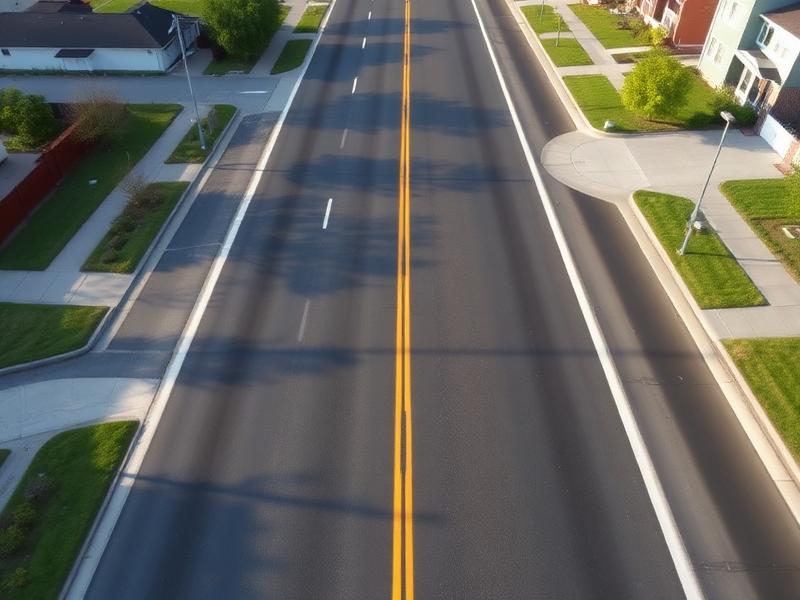
Municipal Roads
Extend asset life and protect maintenance budgets.
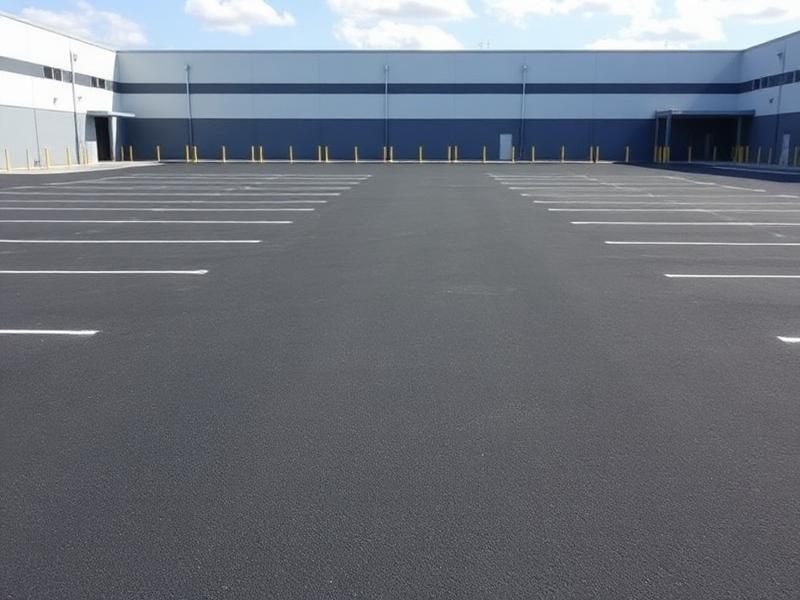
Commercial & Industrial
Protect parking and access surfaces. Defer resurfacing.

Airports & Runways
Maintain surface integrity with minimal downtime.
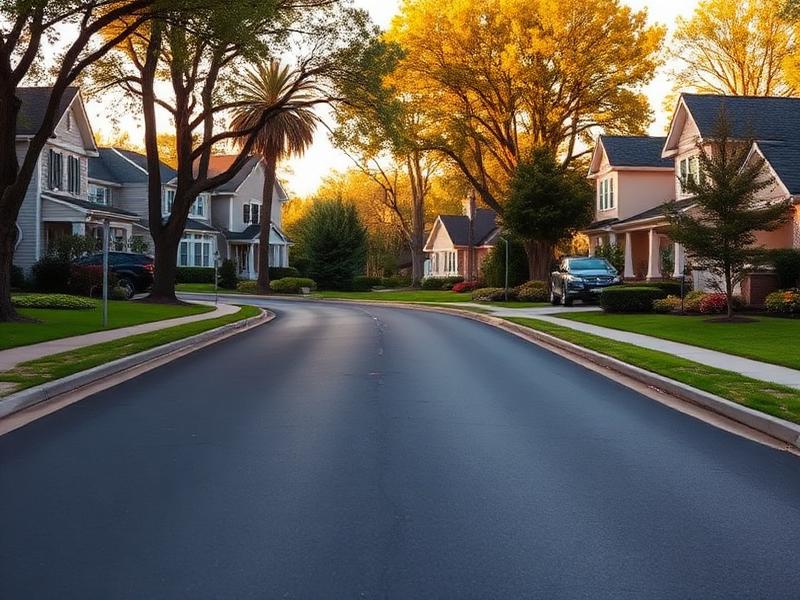
Residential Estates
Preserve road aesthetics and ensure resident satisfaction.
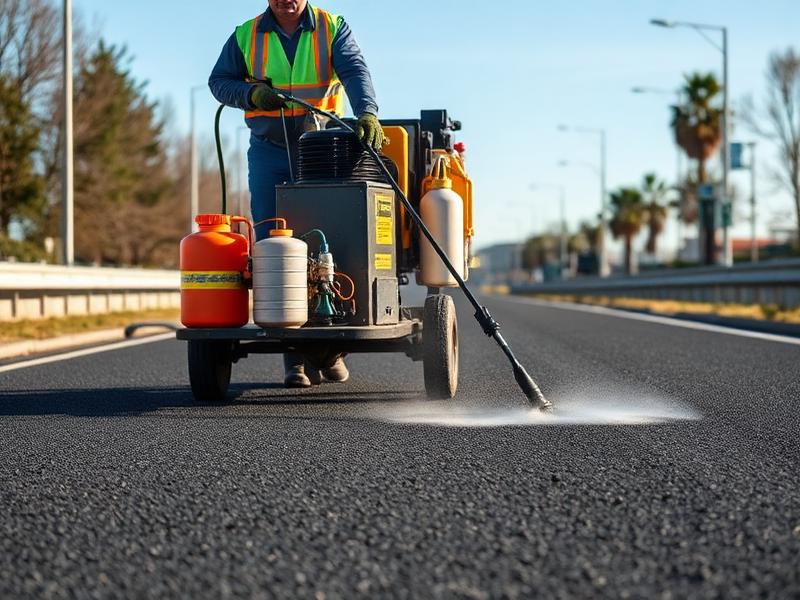
Preventative Maintenance
The smart alternative to costly reactive resurfacing.
Observed Performance. Real Field Evidence.
Independently inspected trial sections, core samples and observed surface behaviour — reported, not promised.
City of Cape Town
Tennant Road Trial
Trial Applied Oct 2024Trial section monitored after application
Core inspection used to assess penetration and surface condition
Performance observed in inspected samples
Trafficable after application*
*Conditions-dependent. Performance subject to surface and site assessment. Observations compared favourably against conventional sealcoat in inspected samples.
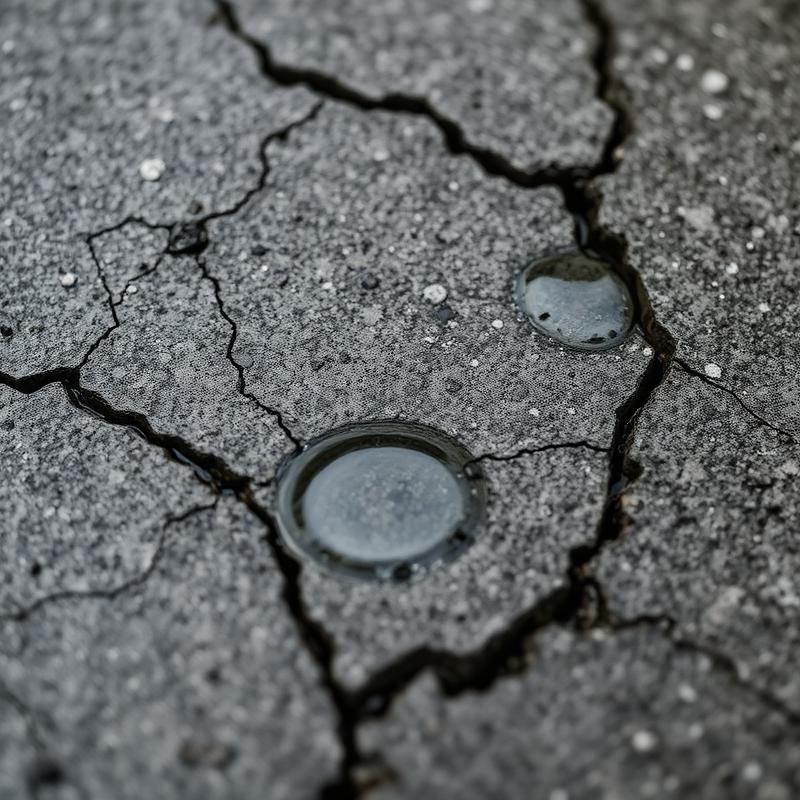
Water penetrates and is absorbed into the surface.
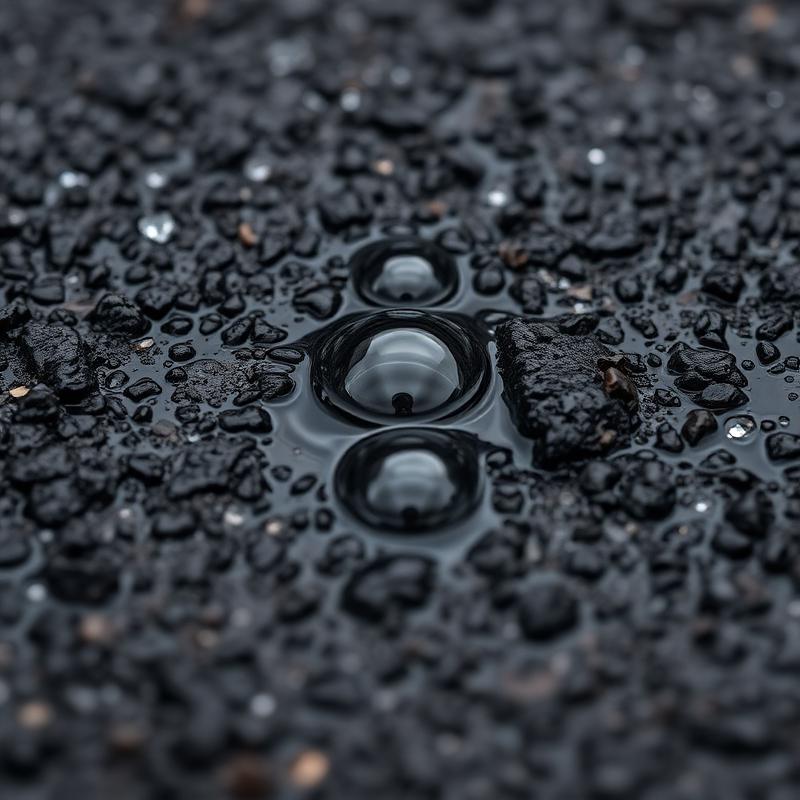
Water beads and runs off — surface remains hydrophobic.

Inspected core showed enriched black mastic beneath the treated surface, supporting observed penetration and water-inhibiting performance.
Field Applications & Surface Results
A visual record of treated asphalt surfaces, application work, core samples, and completed project areas.
Up to 4× more cost-effective
than conventional asphalt overlay
Renew a Road offers a preventative asphalt rejuvenation solution that can cost significantly less than traditional resurfacing or reconstruction, depending on site condition, preparation requirements, surface area and location.
- Preventative — applied before failure
- Trafficable in approximately 2.5 hours*
- Minimal site disruption
- Helps extend the life of existing asphalt
- Reduces the need for costly reconstruction
Conventional Asphalt Overlay
Traditional overlay and reconstruction methods typically require milling, paving, curing and extended traffic disruption. Renew a Road helps asset owners preserve existing asphalt for longer before major intervention is required.
- Milling, paving and curing required
- Significant traffic disruption
- Higher material and embedded-carbon impact
*Conditions-dependent. All figures indicative — final pricing subject to site assessment.
Frequently Asked Questions
The questions engineers, municipalities and property managers ask most often.
How long does asphalt rejuvenation last?
What condition does asphalt need to be in for rejuvenation to work?
Is asphalt rejuvenation suitable for municipal roads?
How does asphalt rejuvenation compare in cost to resurfacing?
Does asphalt rejuvenation require specialised equipment or lengthy road closures?
Technical Resources
Technical documents are available on request. Submit a site assessment enquiry and the relevant pack will be shared with you.
Request DocumentsRequest a Site Assessment
Share a few details about your site and we'll come back with a tailored recommendation. No obligation.
- Tennant Road trial — in service since Oct 2024
- B-BBEE Level 2
- Agrément SA framework aligned
- Trafficable in ≈ 2.5 hours
Century Way, Century City
Cape Town 7441, South Africa